
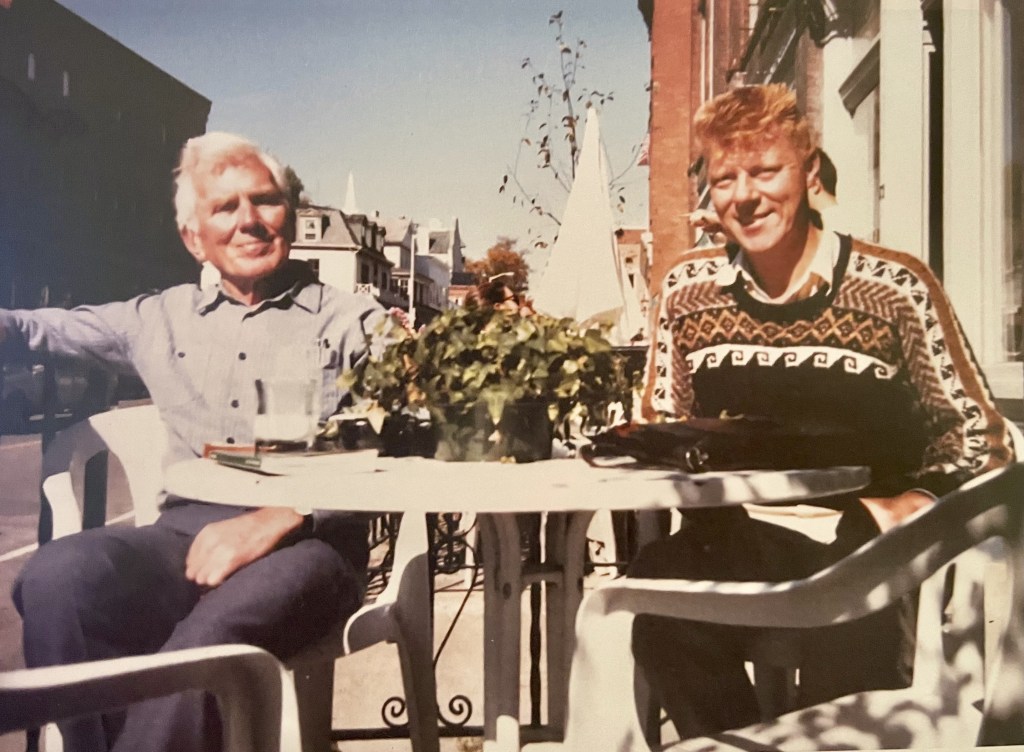
Cosmo Rodewald: historian, lecturer at Manchester University and Friend of the Whitworth.
Cosmo Alastair Rodewald (1915–2002) was Senior Lecturer in the History Department at Manchester University: as an ancient historian his main areas of interest were ancient Greece and Rome. Born in New Jersey on 17 August 1915, after the divorce of his parents Cosmo came to settle in England with his mother at the age of four. He went to school at Stowe and with the early ambition of becoming an academic, in 1933 he entered Oxford as an undergraduate at New College. He finished his undergraduate studies with a First in Greats (Classics). Cosmo went out as a student at the British School at Athens 1938-1939 where he researched Greek colonies on the Black Sea coasts of Bulgaria and Romania. Before his appointment as Assistant Lecturer in the Department of History at Manchester University in 1947, Rodewald served as a conscientious objector in the Non-combatant Corps from 1940-1946. While in the first part of his career he mainly published reviews, but he did eventually publish two well-received books: Democracy: Ideas and Realities (1974) and Money in the Age of Tiberius (1976). Outside of his research area as a historian, Rodewald was also devoted to music and the visual arts. By accounts of students and colleagues he was ‘an exceptionally conscientious teacher, devoted to his students, fair and firm with them; generous in hospitality; calm and efficient in administration’. In particular, he was committed to bringing students and staff together: one of his colleagues, Alastar Jackson, recalls his lavish parties for freshers and staff hosted at his home in Rusholme each Registration Week. Cosmo retired early, on 30 September 1976, though generously returned to teaching in November and December 1978 to fill a temporary gap in teaching for a colleague who was ill. After retirement, Cosmo devoted his time to the care of his gardens in Manchester and in his second home in Lewes. In the later years of his life, his eyesight progressively declined which limited him from reading, though later surgery would bring some improvement. Following a fall in late summer 2002, Cosmo was hospitalised in Brighton and Lewes. His health progressively declined and died of pneumonia on 4 November 2002. Two significant relationships to Rodewald were Nicholas Sekunda, one of his Manchester pupils now professor at Gdansk University in Poland and Victor Sayer, for many years his partner.
He was a benefactor to the University of Manchester: in recognition of his outstanding generosity to the University, a performance space in the Martin Harris Centre for Music and Drama was named after him: the Cosmo Rodewald Concert Hall, officially opened on 21 October 2003. Rodewald’s philanthropic endeavours were not limited to the University, he supported arts organisations (such as The Buxton Festival Society and Opera North), as well as educational bodies (among which New College Oxford and The British School of Athens) and organisations involved in advocating social justice (Anti-Slavery International, Northern Refugee Centre).
Rodewald was also interested in the Whitworth Art Gallery and contemporary art. As Alistair Smith, retired director of the Whitworth, recalls Cosmo Rodewald was very modest and insisted that the works decorating his homes are not to be considered ‘museum objects’, rather ‘works by friends’ acquired non-systemically. Rodewald had previously given a Hepworth to the Whitworth on permanent loan, however following his death, the Whitworth benefitted from a major donation including works by Henry Moore, John Milne, and Paul Klee.
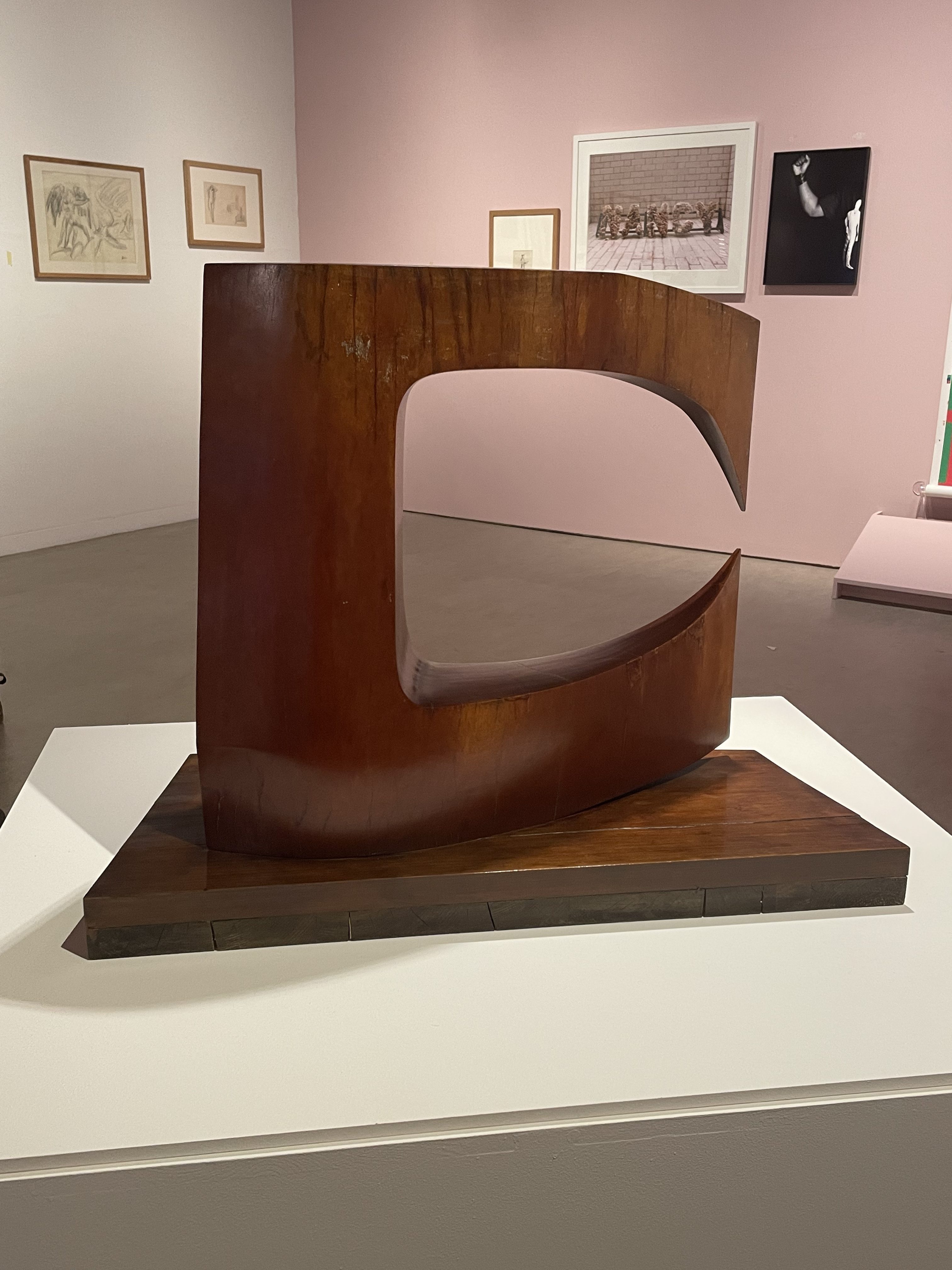
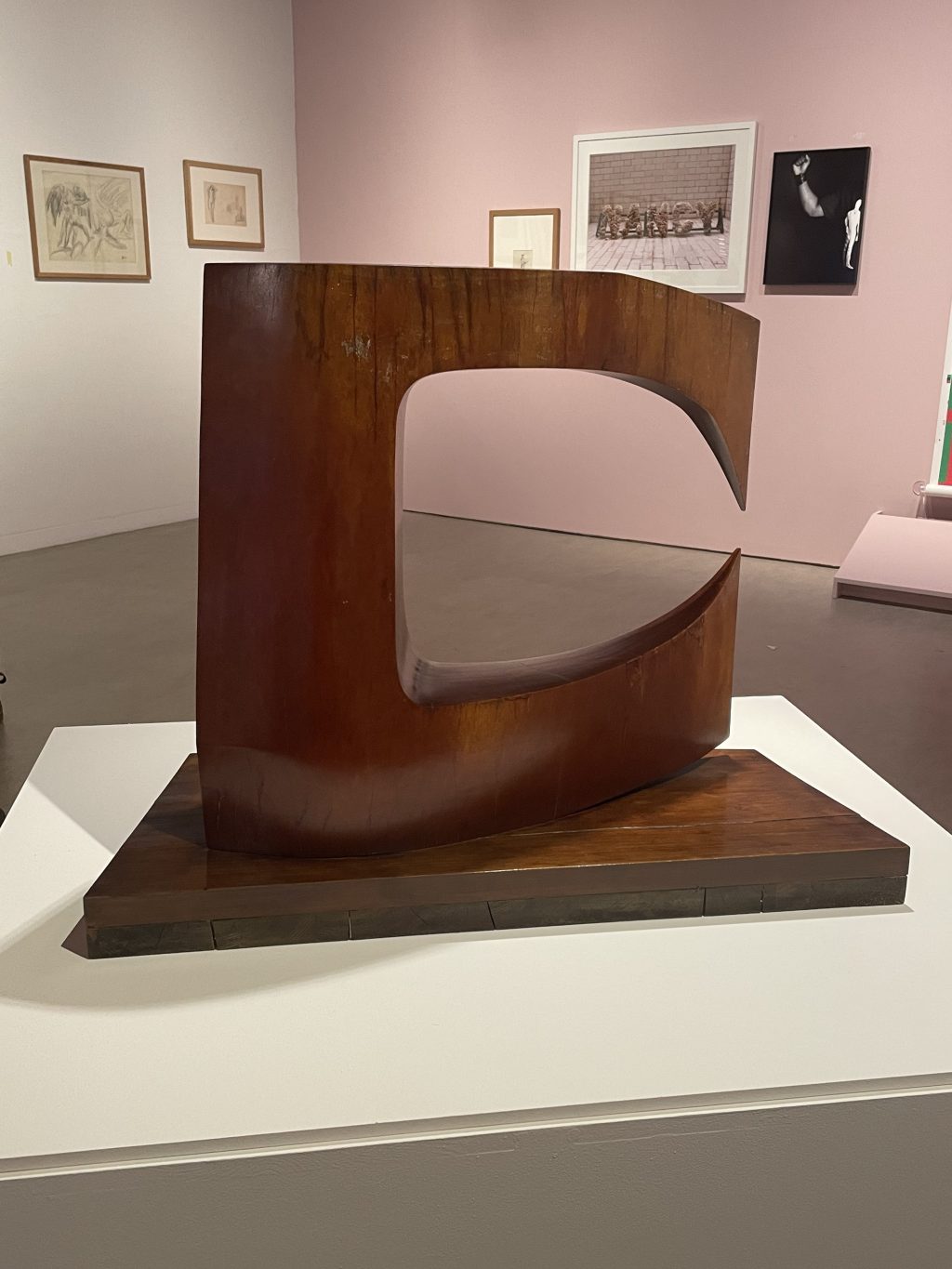
On display in (Un)Defining Queer John Milne’s Gnathos sculpture, from Cosmo Rodewald’s collection.
Written by MA Art Gallery and Museum Studies Student
Marco Capicotto
 Queering The Whitworth
Leave a comment